

Troubleshooting Tips for your Heater or Furnace
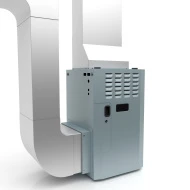 Like all other household appliances, heaters and furnaces are not invincible from developing problems that sometimes their worst situations may also mean their replacement with a newer unit. Problems regarding these appliances necessitate the expertise of a specialist in repairing heaters and furnaces. But before you call for a professional’s help, household members may have the knowledge and technical skills to be able to conduct their own troubleshooting tasks. Listed below are just some of the basic yet important tips when you do your own troubleshooting.
For gas furnaces…
Assess first for any fuses or circuit breakers that may have blown or tripped. Blown and tripped breakers and fuses can result to a malfunctioning heating unit. With the aid of the manufacturer’s guide, follow its troubleshooting instructions when you are relighting the pilot light. You also need to make sure that your gas valve is properly positioned and aligned.
For furnaces using oil…
As mentioned above, always check for any tripped or blown fuses and circuit breakers whenever the said unit does not run. Another thing that will not make the unit run is an empty fuel tank. So you have to also check the fuel level of the unit’s tank. If the above mentioned still does not make the unit run, check for the reset button situated at the stack control and press it. If all else fails, call a furnace repair specialist in your area, such as in Toronto, to diagnose and solve the problem.
For electricity-run furnaces…
You need to check at least four factors in your electric furnaces. These are the filters, thermostat, the unit’s fan, and its vents. Filters are oftentimes replaced for a more efficient running unit. Set the heat right for the thermostat, as well as its set point. Set point needs to be 5 degrees more from the room temperature. As for the fan, if it does not run, check the fuses and circuit breakers if they are blown or tripped. Make sure that the air flowing from the unit’s vents must be warm; if the air is cold or the house feels colder than usual even if with the furnace, ask the help of your local specialist. He or she may be able to check on it professionally without causing untoward damages that may exacerbate the unit’s condition.
Before you commit to have a specialist repair your unit, make sure that they have the license to do it. You do not want your problematic unit to have a more complicated condition that it originally was.